FRIGILIANA
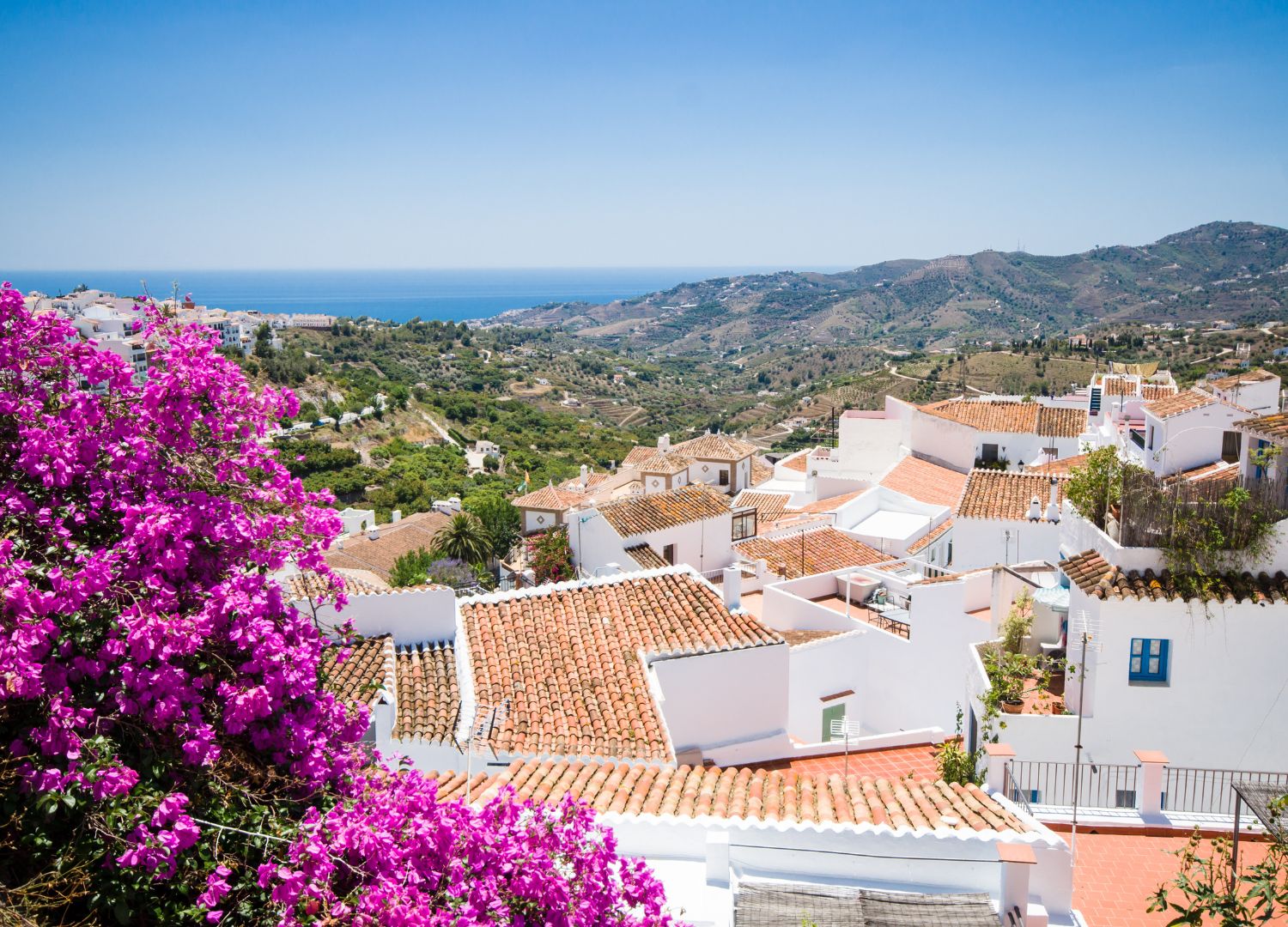
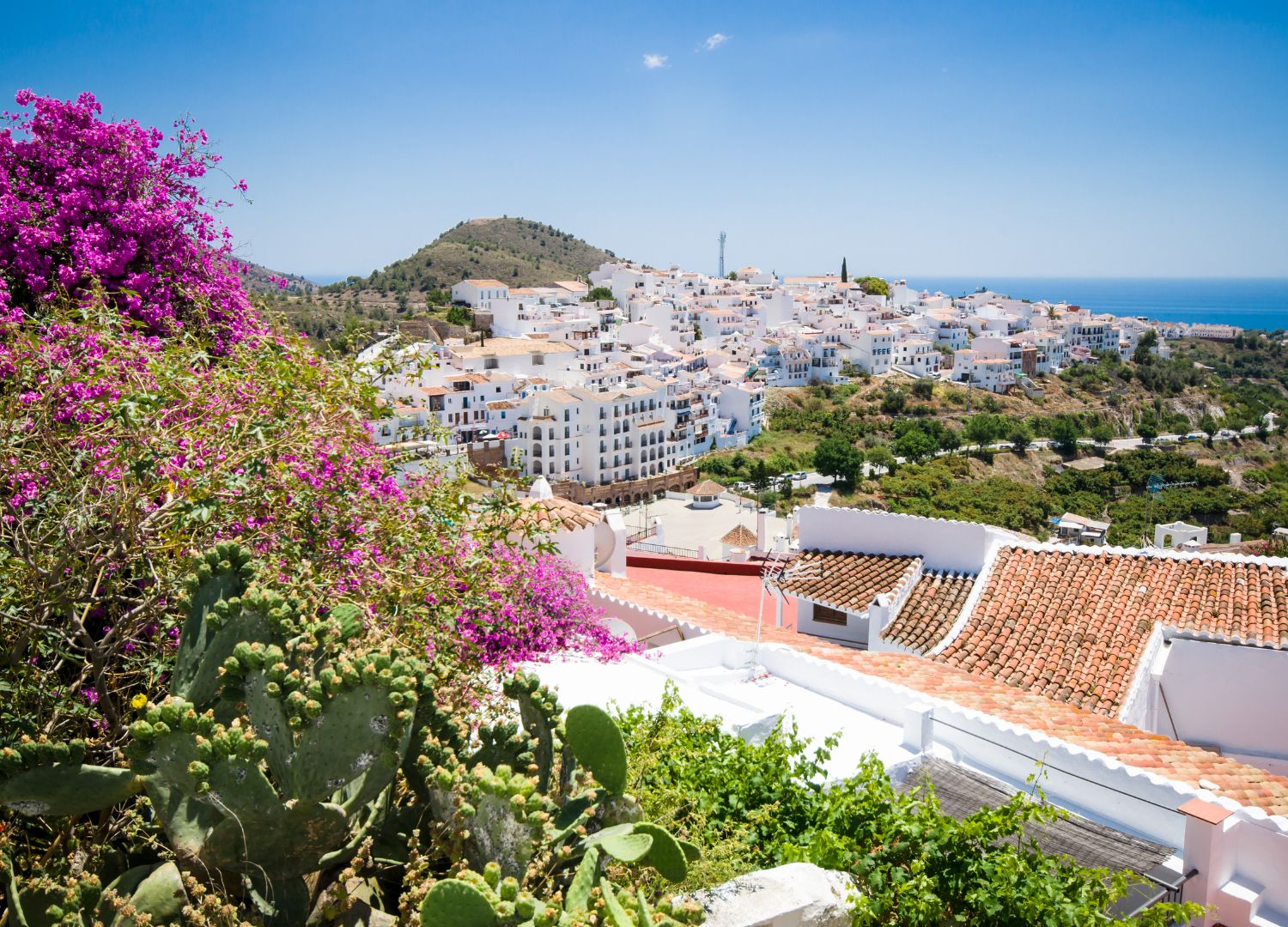
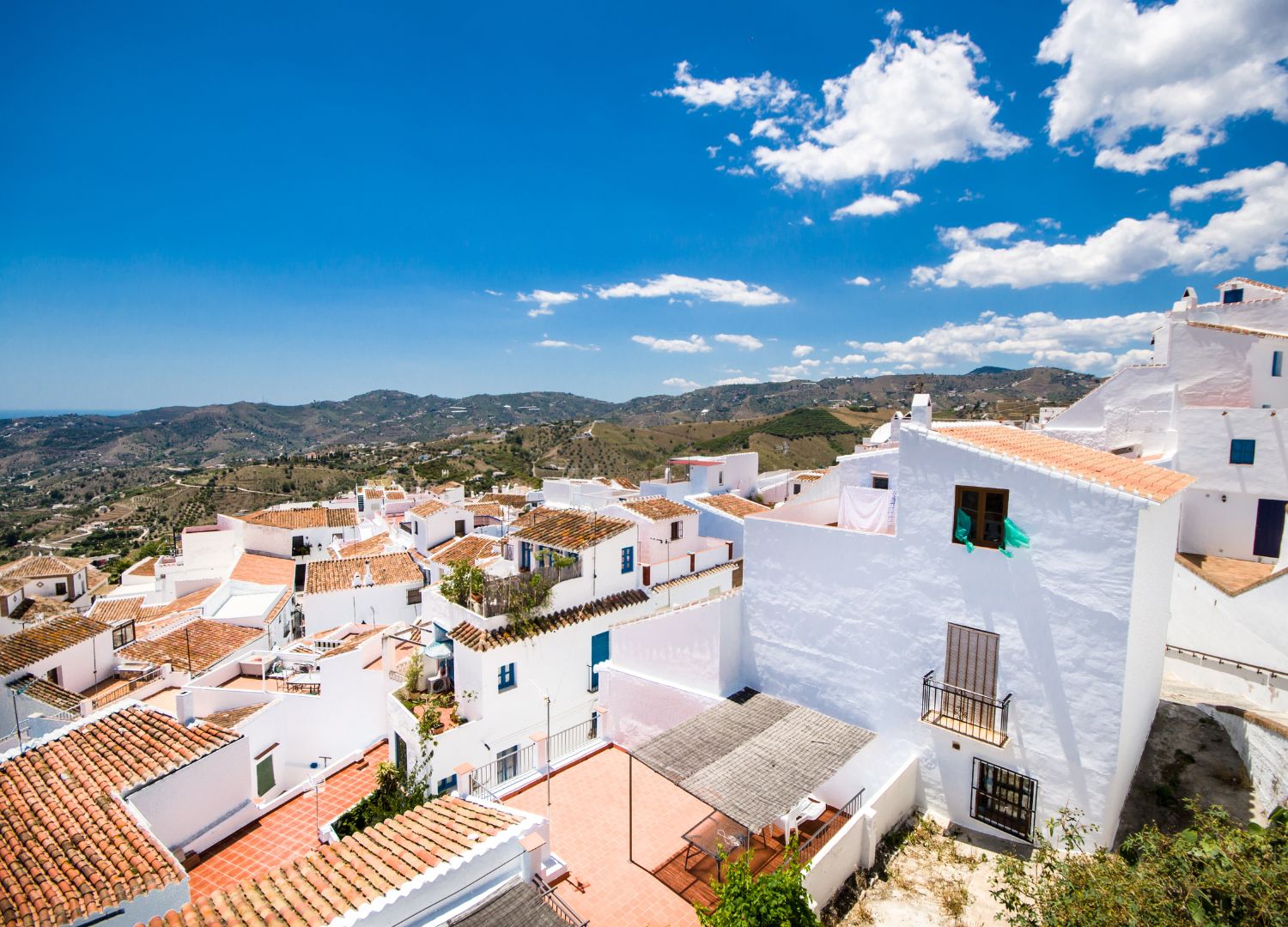
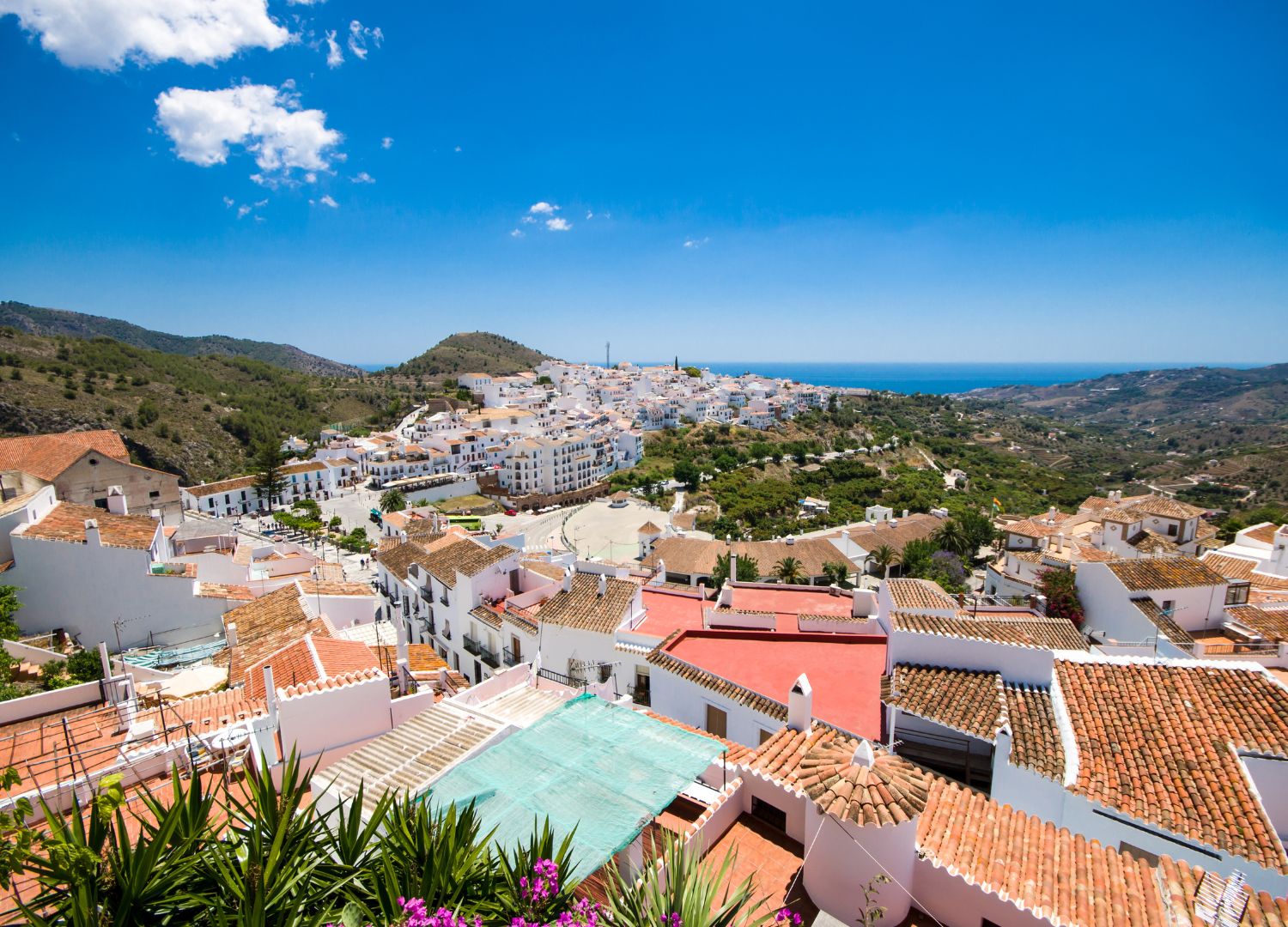
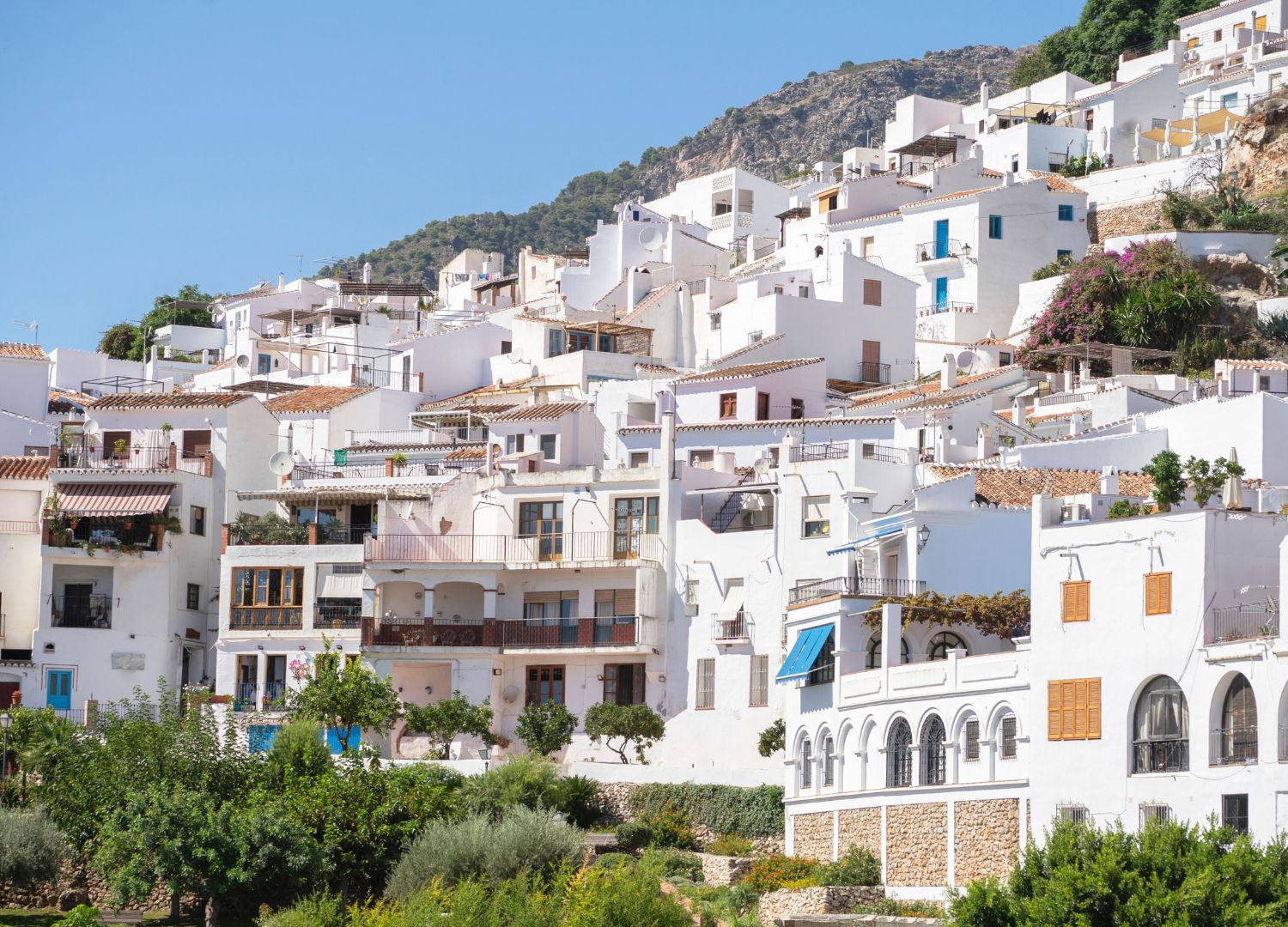
Frigiliana, a picturesque whitewashed village in the province of Málaga, Spain, is often referred to as one of the most beautiful villages in Andalusia. Perched on the slopes of the Sierra de Almijara, it offers breathtaking views of the Mediterranean Sea, which is just a short drive away. Steeped in history and tradition, Frigiliana attracts visitors from around the globe, drawn by its rich cultural heritage, stunning landscapes, and tranquil atmosphere.
A Brief History of Frigiliana
The history of Frigiliana dates back thousands of years, with evidence of early human settlement in the region during prehistoric times. However, it is the Roman, Moorish, and Christian influences that have left the most significant marks on the village.
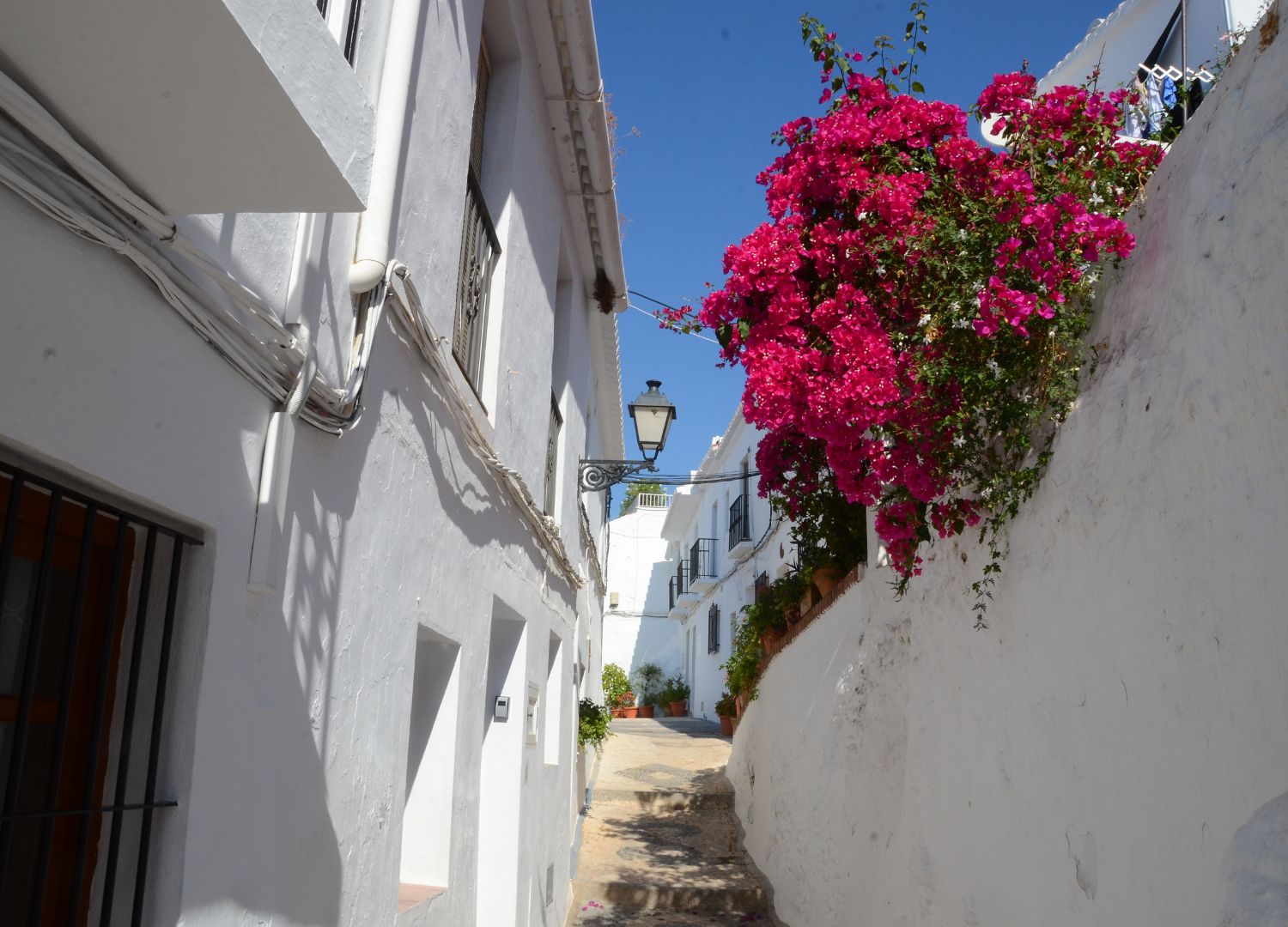
During the Roman period, Frigiliana was known as “Frexinius,” and remnants of Roman architecture, such as roads and villas, can still be found in the surrounding areas. The Moors, who ruled much of Spain for over 700 years, had the most profound impact on Frigiliana. They established the village as we know it today, building its characteristic narrow, winding streets, terraced homes, and irrigation systems, many of which are still in use. The Moors also cultivated the land extensively, introducing crops such as sugarcane, olives, and grapes.
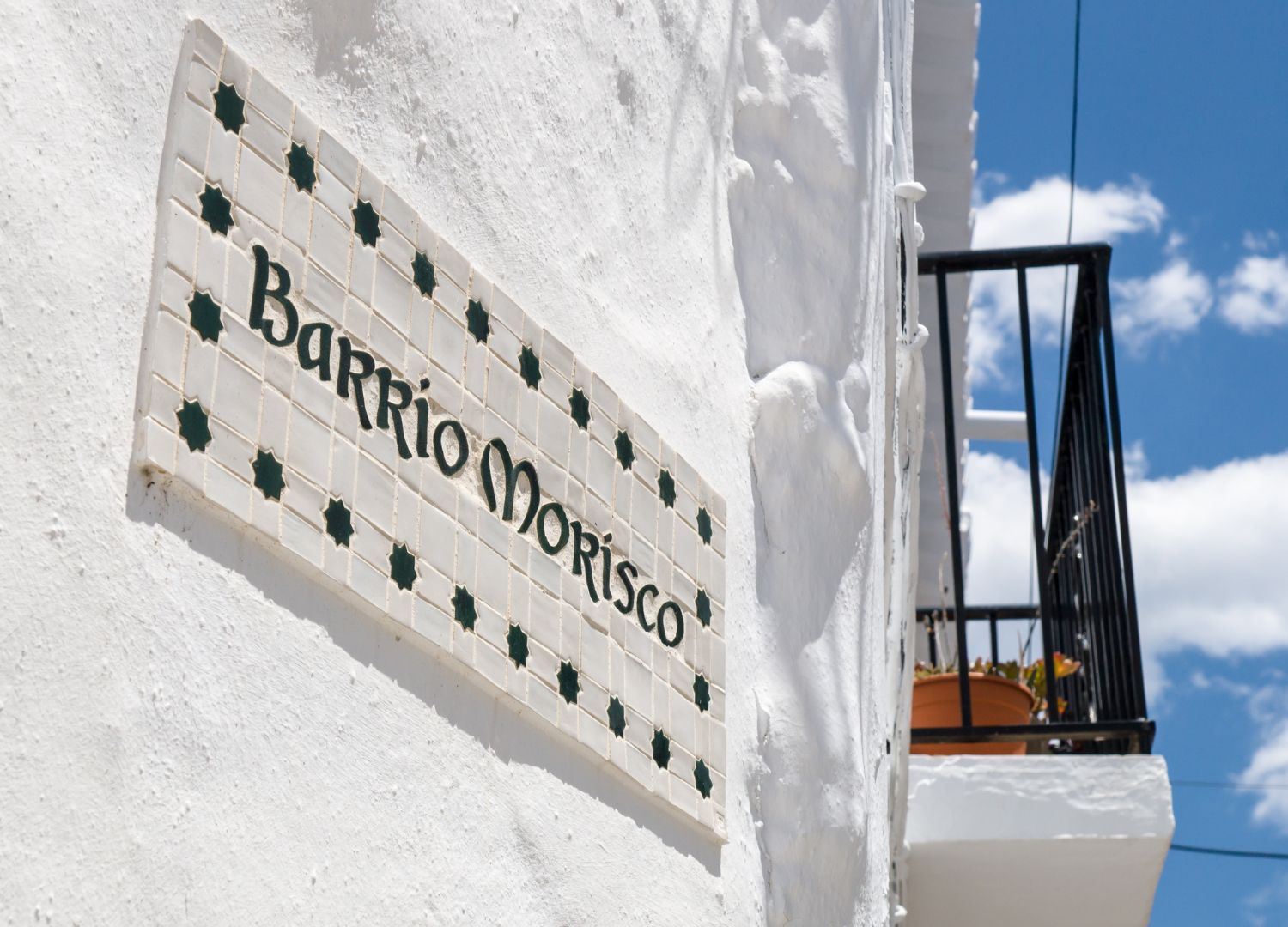
One of the most notable events in Frigiliana’s history occurred in 1569, during the Rebellion of the Alpujarras. Following the Reconquista, the Catholic Monarchs sought to Christianise the region and suppress Islamic practices. This led to a rebellion by the Moriscos (Muslims forced to convert to Christianity), which culminated in the Battle of Peña Negra. After the Moriscos were defeated, many were expelled, and the village was repopulated with Christians from other parts of Spain. Despite this, the Moorish influence remains deeply embedded in the architecture and cultural fabric of Frigiliana.
In 1640, King Philip IV granted Frigiliana the title of “Villa,” giving it a degree of autonomy. Since then, it has grown into a charming village celebrated for its unique blend of history, culture, and natural beauty.
The Frigiliana of Today
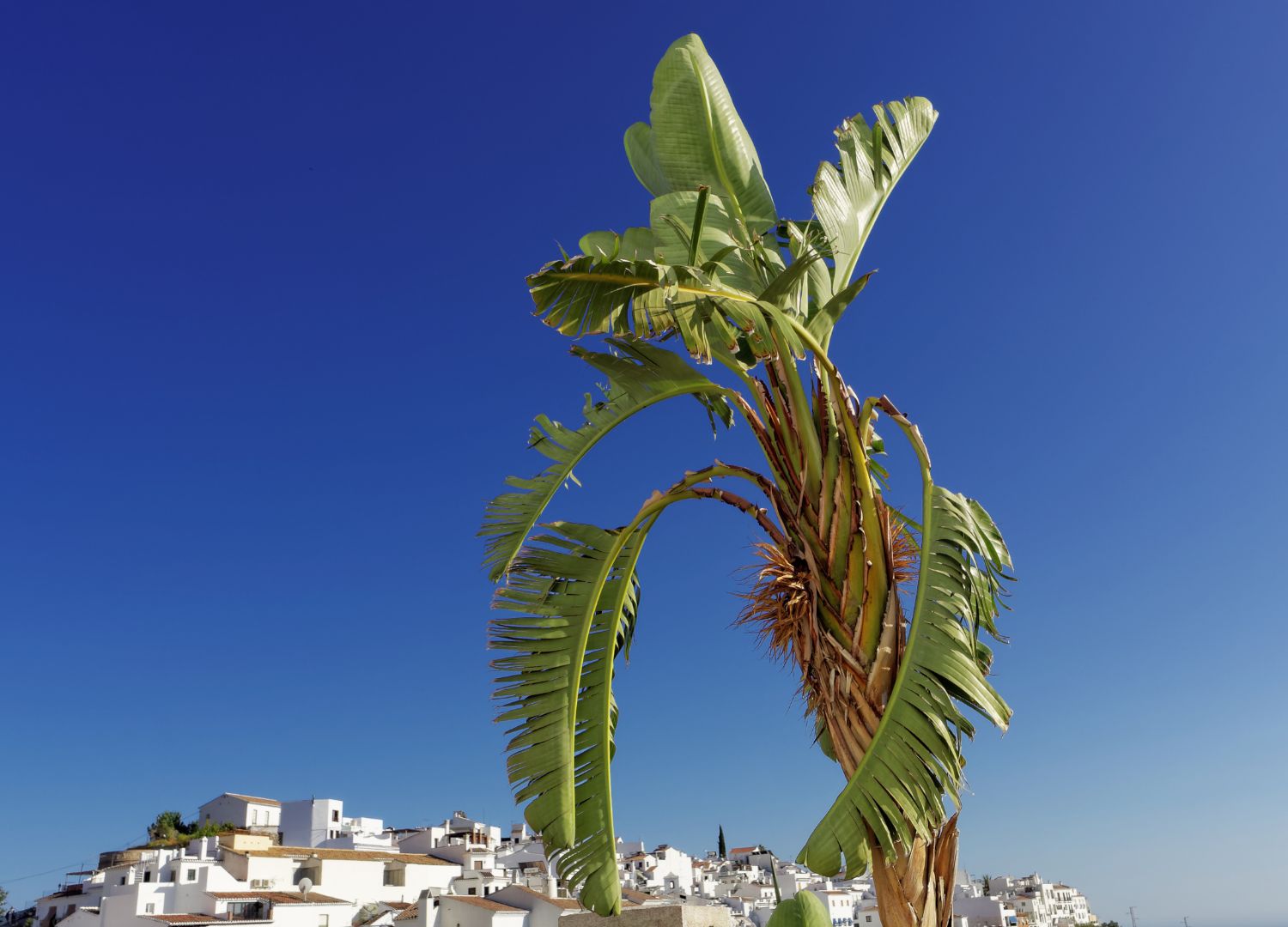
Today, Frigiliana is a thriving village with a population of approximately 3,000 residents. It is part of the Axarquía region, known for its subtropical climate, which allows for the cultivation of exotic fruits like mangoes, avocados, and cherimoyas. The village is also renowned for its locally produced wine and honey.
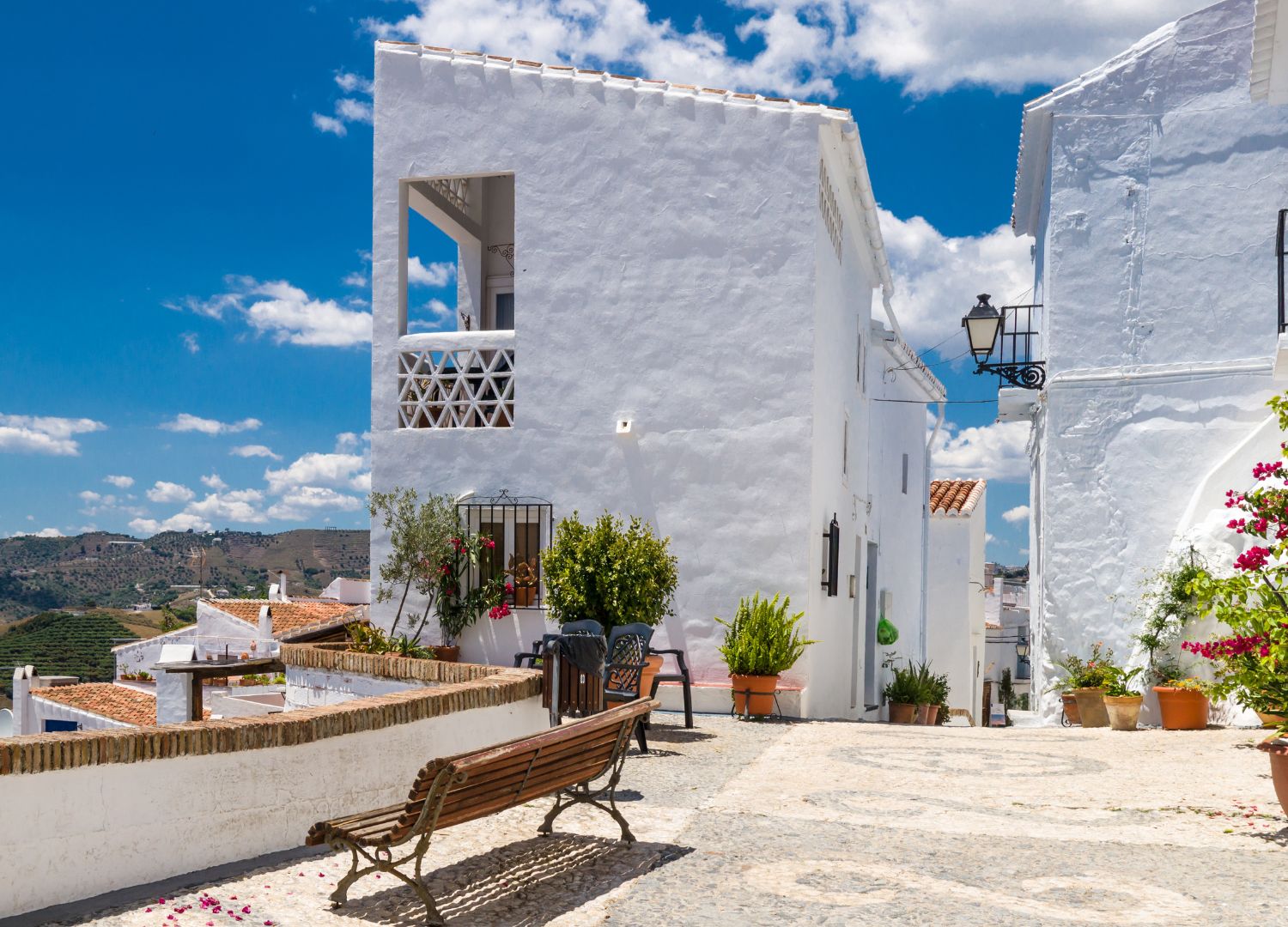
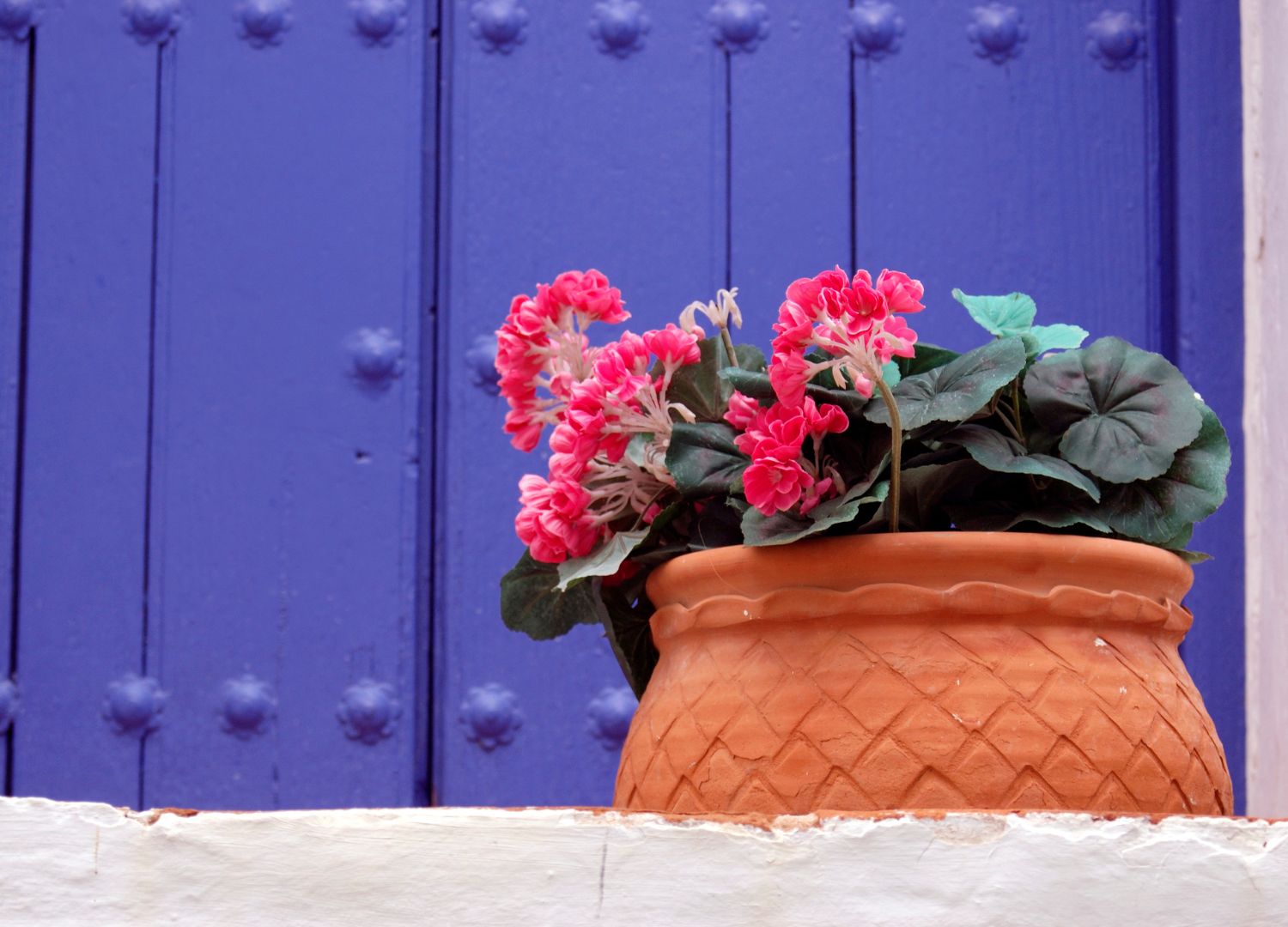
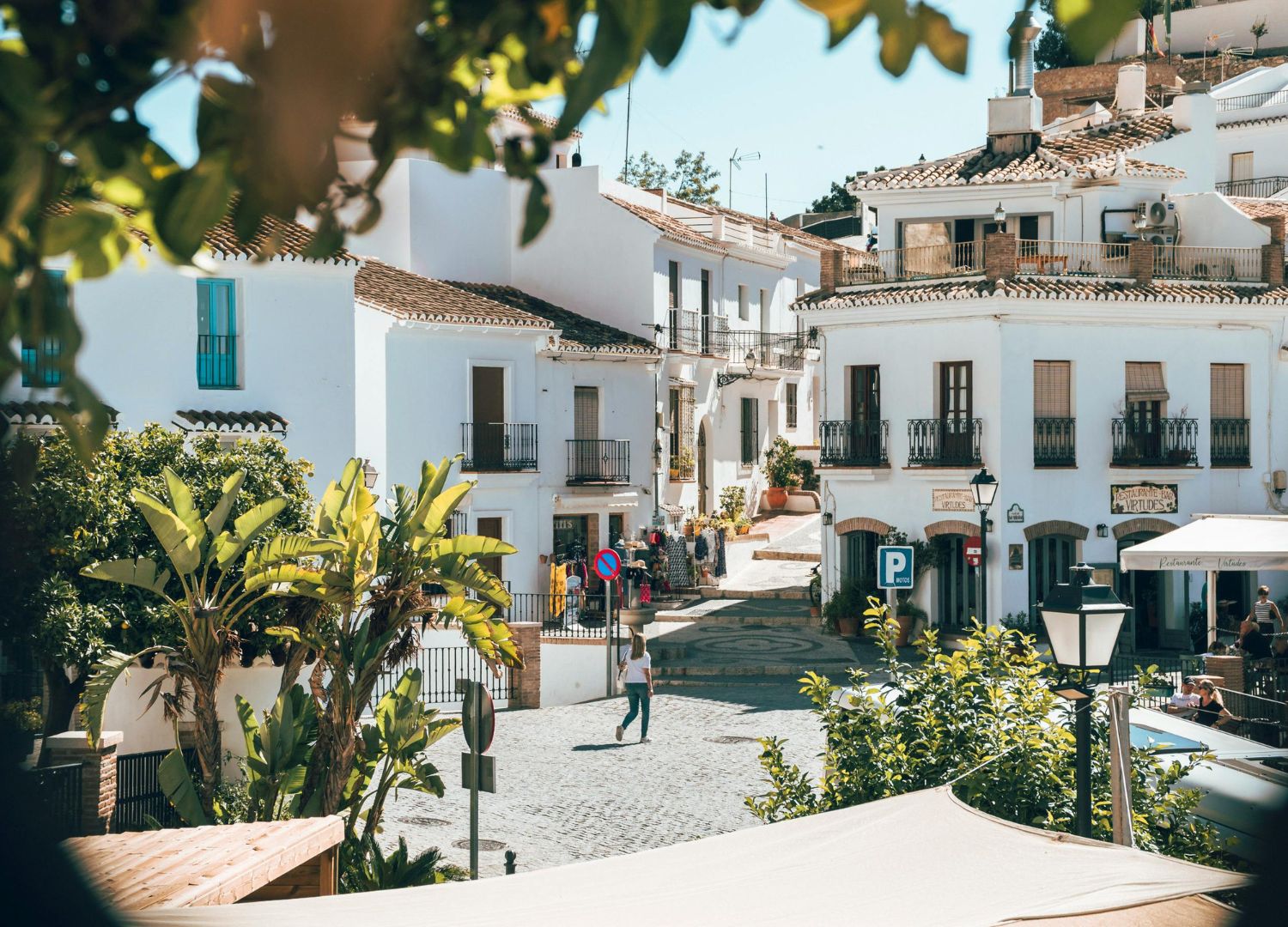
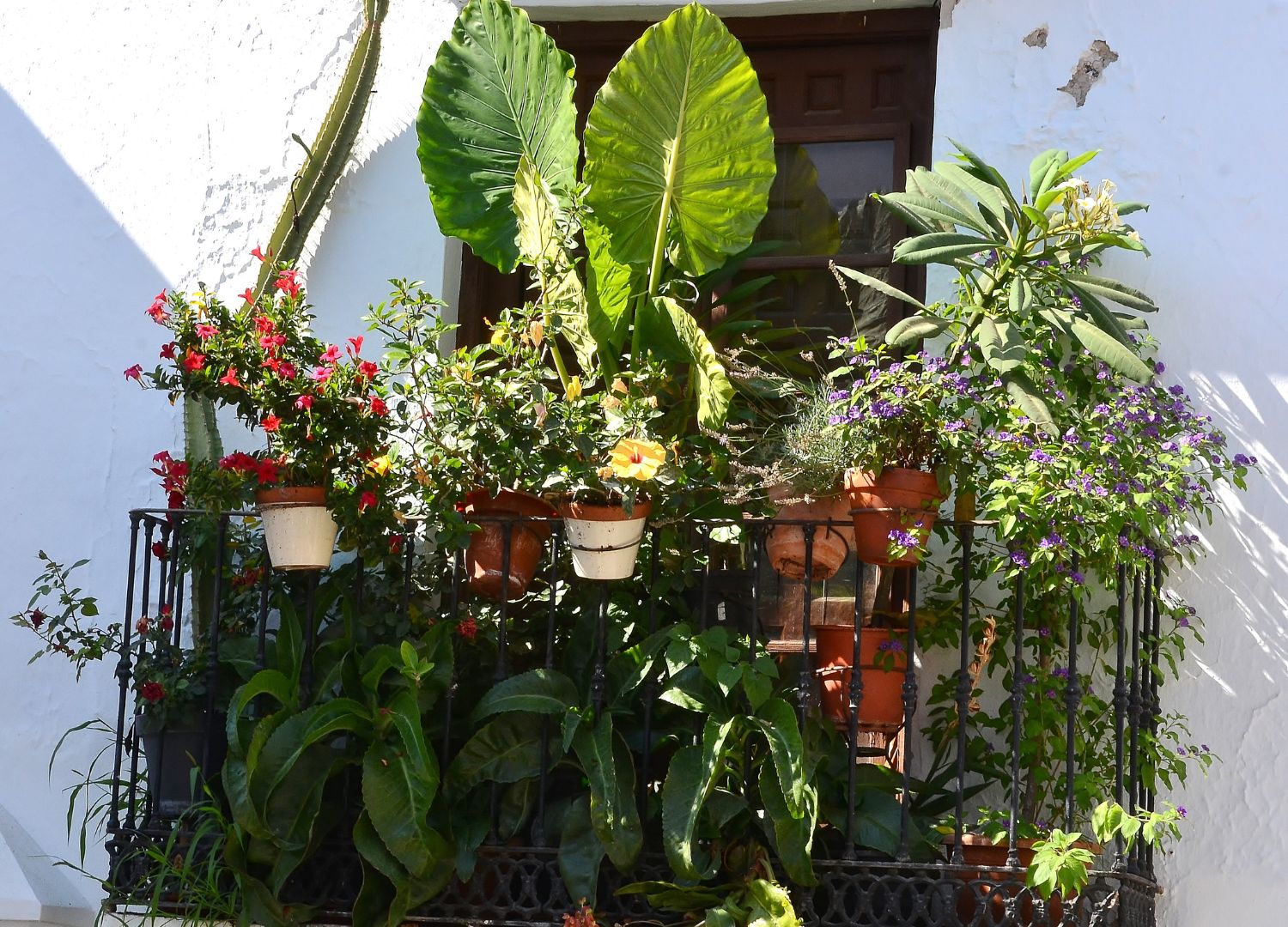
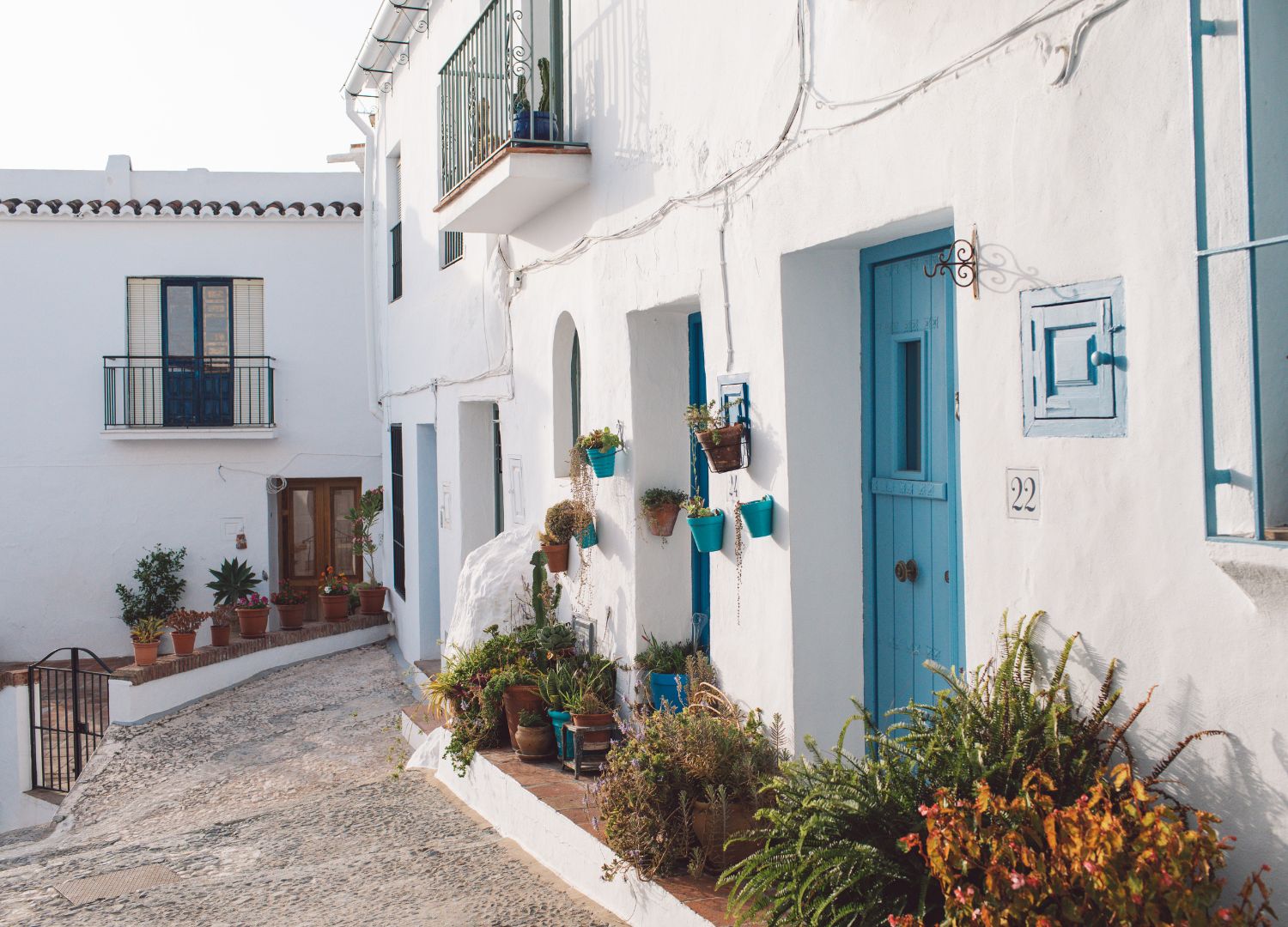
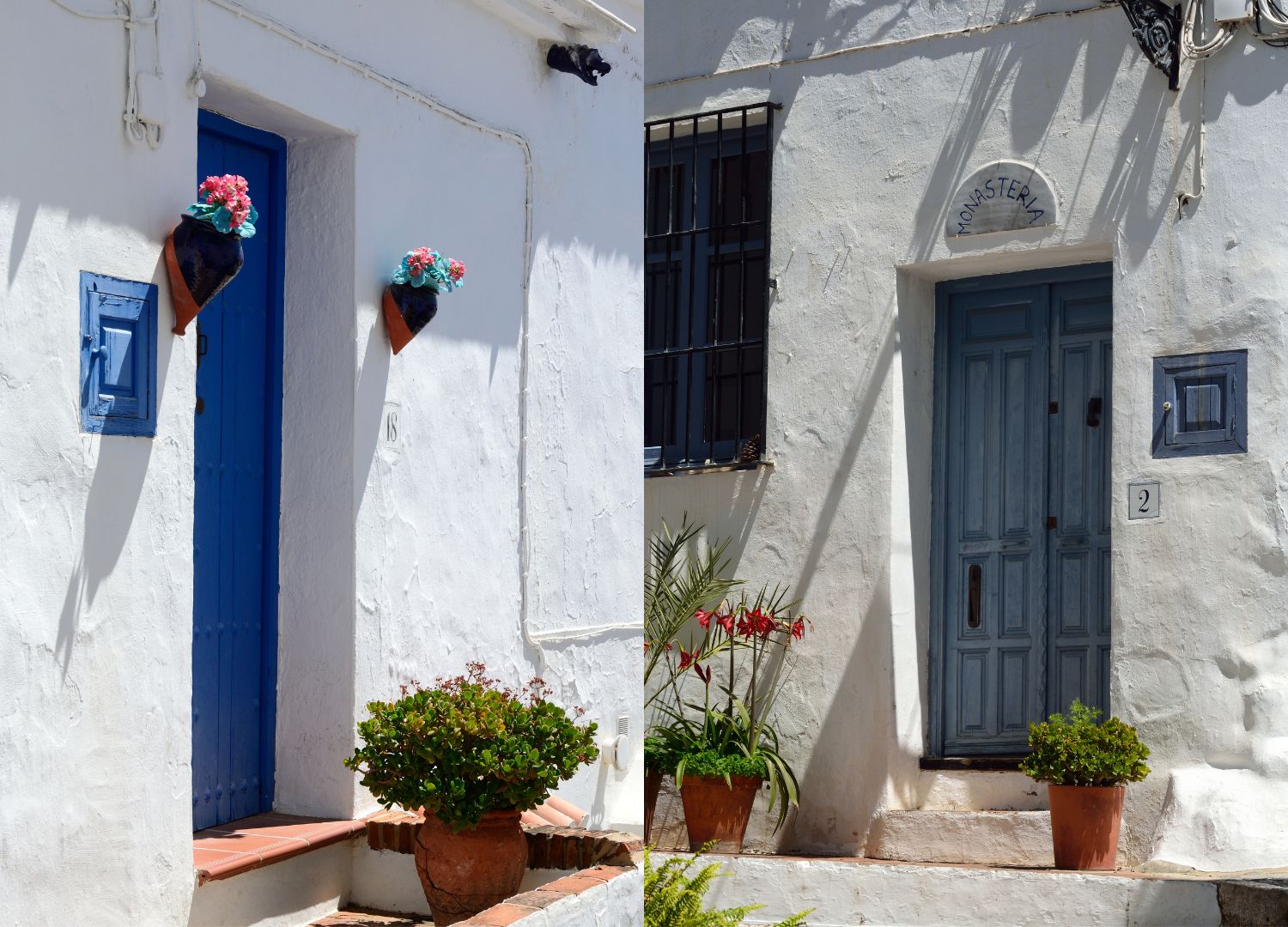
Frigiliana’s old town, known as the “Barribarto,” is a maze of cobblestone streets, adorned with colourful flowerpots and traditional Andalusian architecture. In 1982, the village was awarded the “National Award for Beautification of Spanish Towns,” recognising its efforts to preserve its historical character.
Key Attractions
Frigiliana offers a wealth of attractions for visitors:
- The Mudéjar Quarter: The old town is a living museum of Mudéjar architecture, showcasing a blend of Moorish and Christian styles.
- The Church of San Antonio: Built in 1676, this church is an excellent example of Andalusian religious architecture.
- The Archaeological Museum: Located in the Casa del Apero, the museum displays artefacts that trace the village’s history back to prehistoric times.
- Sugarcane Factory (El Ingenio): This 16th-century building is the only active sugarcane honey factory in Europe and a testament to Frigiliana’s agricultural heritage.
- Natural Parks: The nearby Sierra de Almijara and Sierras de Tejeda provide opportunities for hiking, birdwatching, and enjoying the region’s natural beauty.
Local Festivals
Frigiliana is also known for its vibrant festivals, the most famous being the Festival of Three Cultures. Held annually in late August, this event celebrates the Christian, Muslim, and Jewish heritage of the village through music, food, and cultural activities. Another notable event is Semana Santa (Holy Week), where religious processions fill the streets, showcasing the village’s deep-rooted traditions.
Frigiliana Real Estate
In recent years, Frigiliana has become a sought-after destination for expatriates and second-home buyers, drawn by its peaceful lifestyle and stunning views. The real estate market offers a mix of traditional Andalusian homes, modern villas, and rustic country houses, catering to a variety of tastes and budgets.
A Jewel of Andalusia
Frigiliana’s unique charm lies in its ability to seamlessly blend its historical legacy with modern amenities. Whether you are strolling through its labyrinthine streets, savouring local delicacies, or exploring the surrounding natural landscapes, Frigiliana promises an unforgettable experience. It’s no wonder that this enchanting village continues to captivate the hearts of all who visit.